

When It Comes To Prenatal And Lactation Supplements, DHA Is An Essential
Building your baby’s body is an incredible feat. You need every single good nutrient you can get. For this reason, many new moms add prenatal and lactation supplements to their diet. It just makes sense.
And when it comes to amping up your nutrition for pregnancy and breastfeeding, Omega-3s are a must. Particularly the Omega-3 known as DHA. DHA is essential for healthy fetal and newborn brain and eye development.* While your baby needs this nutrient throughout your pregnancy, the importance ramps up in the third trimester and after birth.
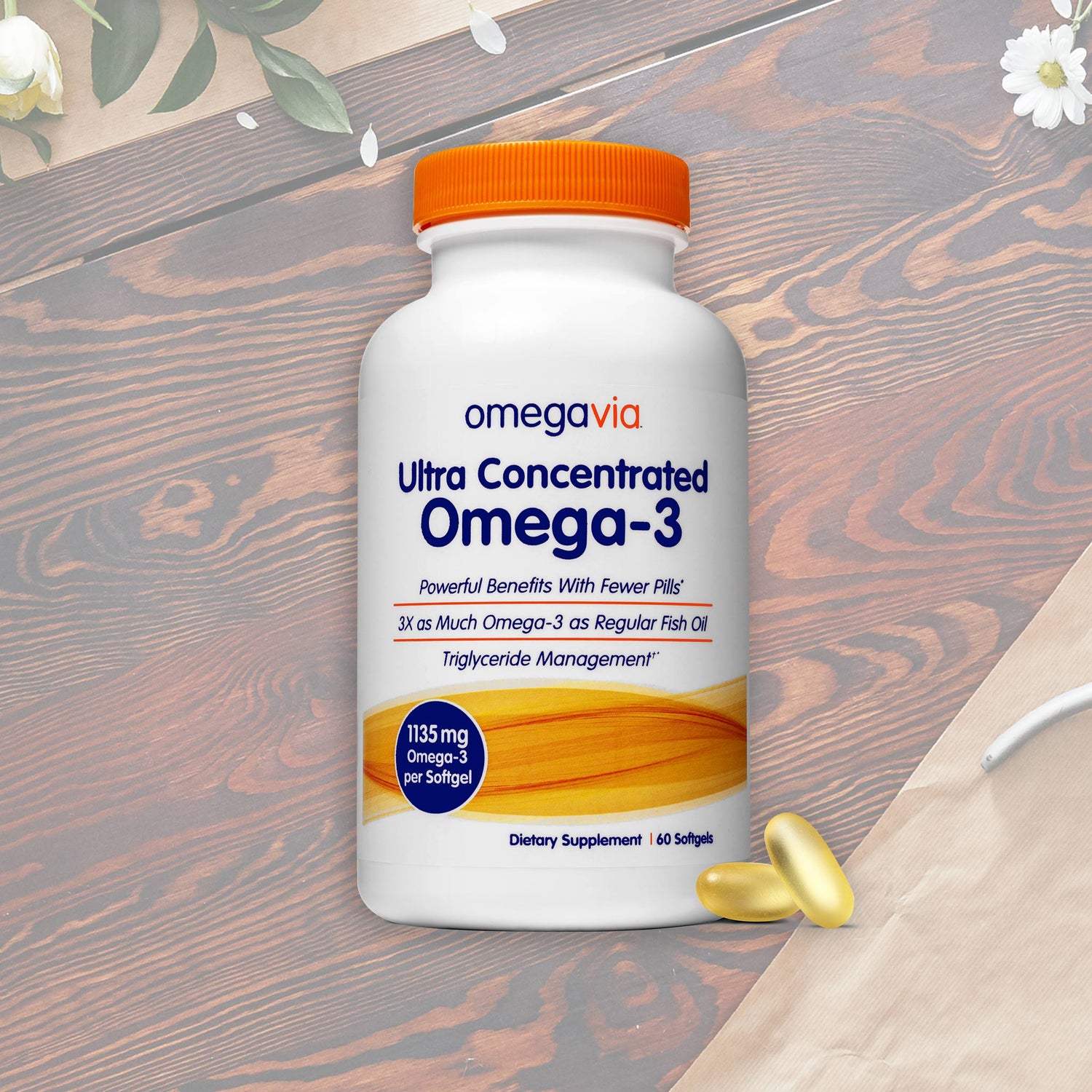
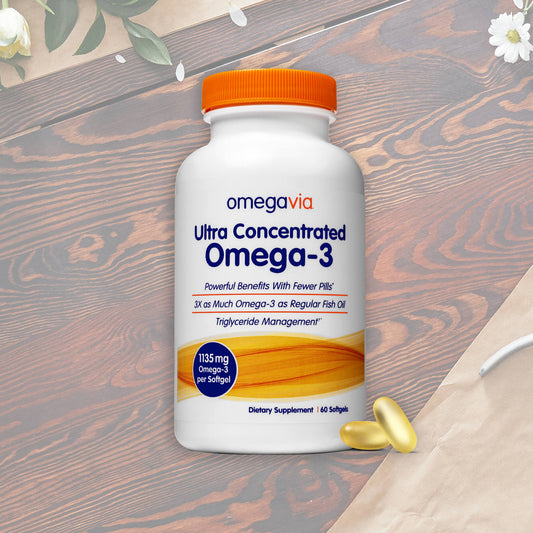
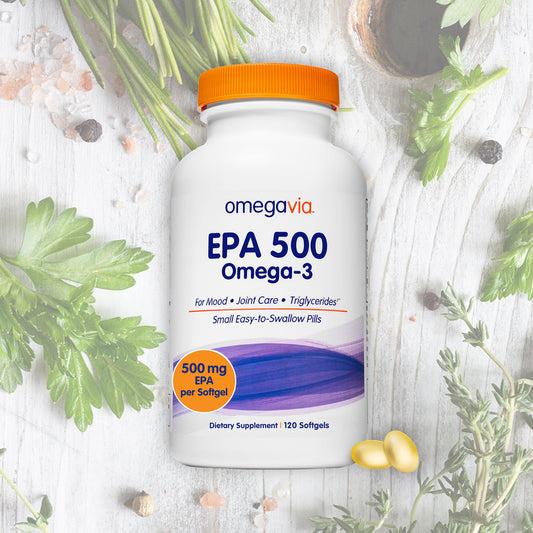
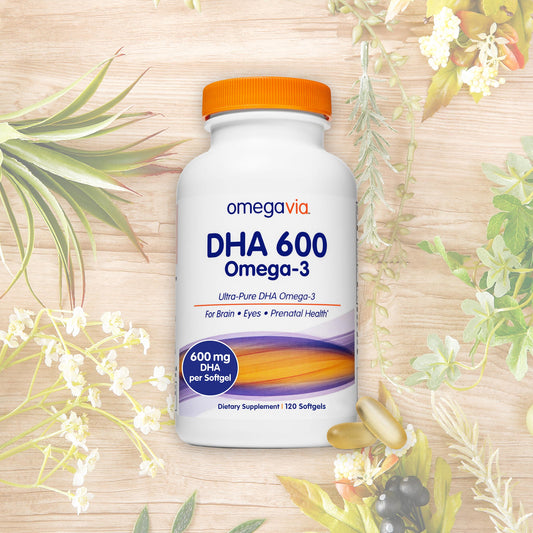
Looking for some concentrated Omega-3s to include in your prenatal and lactation supplements? Our Ultra-Concentrated Omega-3 gives you a great foundation. Then build on it with some extra DHA for your growing baby from our DHA 600. And if you need extra help keeping your mood steady, you can add more EPA with EPA 500.*
I started taking DHA supplements while I was pregnant. I’m also taking them now while I’m breastfeeding. I can’t say enough about how happy I was to find these DHA supplements. Before I used to take another brand and I had to take 3 pills to get the same amount of DHA in just one of these pills. Even though the pills are about the same size!! I love that there’s no fishy burps. And your website is my go-to source for nutrition info especially when it comes to Omega-3s.*
D. Rangel Las Vegas, NV
Nourish your baby and yourself with our Omega-3 supplements below...
-
Ultra Concentrated Omega-3
Regular price $39.99Regular priceUnit price per$39.99Sale price $39.99 -
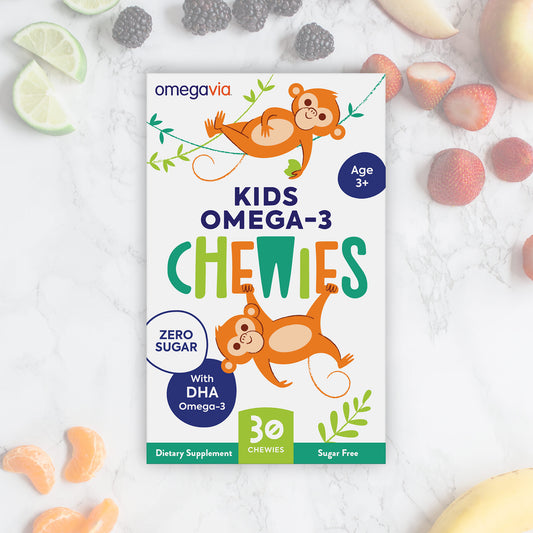
Kid's Omega-3 Chewies
Regular price From $25.99Regular priceUnit price per -
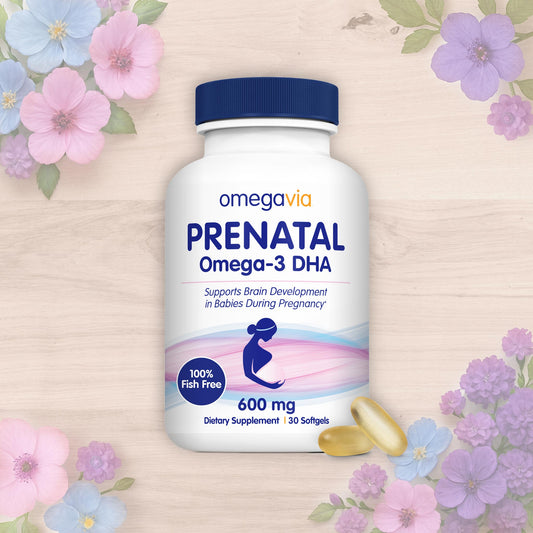
Prenatal Omega-3 DHA
Regular price $24.99Regular priceUnit price per
DHA FAQ
Why is DHA specifically important during the third trimester?
Your body's docosahexaenoic acid (DHA) needs will skyrocket in the third trimester, jumping from 300 to 600 mg daily to at least 900 mg daily [1]. Why? Because this is when your baby's brain accumulates DHA—essential to healthy eye and brain development—at its highest rate. Consider this: A newborn's brain grows at 1% per day for the first 90 days.
If you aren't getting enough DHA during your pregnancy, the body will pull from its own stores. This can leave you depleted and make it harder to keep up with the demands of the third trimester and postpartum recovery.
How does prenatal DHA support a baby's brain and eye development?
DHA is a critical component of human cell membranes, especially in the brain and eyes. 97% of the Omega-3 fats in the brain are DHA, while 93% of Omega-3s in the retina are DHA, making it essential for vision and cognitive function.
Research suggests that adequate DHA intake can help support a full-term pregnancy and healthy birth weight [2]. You can only get DHA from what you eat or supplement—the body can't make it on its own [3].
Is OmegaVia fish oil tested for mercury and PCBs for pregnancy safety?
OmegaVia supplements like OmegaVia DHA 600 contain fish oil that meets kosher and halal standards. The low-heat molecular distillation purification processes remove mercury, PCBs, and cholesterol.
On top of that, every batch is third-party tested and certified 5-star by International Fish Oil Standards (IFOS) and confirmed radiation-free by Eurofins. Plus, we only use small fish like sardines and anchovies, which are naturally low in mercury. This added precaution brings the peace of mind you need, especially during pregnancy.
Individuals who have fish oil sensitivities (or those who wish to avoid the smell and taste) should try the plant-based, 100% fish-free OmegaVia Vegan Omega 3 Softgels. It contains algae instead of fish oil to provide support for your health and your child’s brain development.
Can I take these supplements while breastfeeding?
Yes, you can continue taking these DHA supplements while breastfeeding, supporting not only your baby's development but also your own recovery. Remember that 1% per day growth rate for the first 90 days? Your baby gets DHA through your breast milk to support ongoing brain and eye development [4].
There's a myth that fish oil increases bleeding risk postpartum. The reality: A 2017 review of 52 studies found no increased bleeding risk from fish oil supplementation, even at high doses [5]. Your DHA needs remain high when nursing.
Although there are benefits to continued use of OmegaVia DHA 600 or OmegaVia Vegan Omega 3 Softgels post-pregnancy, it is best to speak to your healthcare provider regarding how long to take the supplement after giving birth and the appropriate dosage.
These statements have not been evaluated by the Food and Drug Administration. This product is not intended to diagnose, treat, cure, or prevent any disease. Consult your healthcare provider before adding any supplement to your diet.
Sources
- Amza, M., et al. (3 July 2024). Docosahexaenoic Acid (DHA) and Eicosapentaenoic Acid (EPA)—Should They Be Mandatory Supplements in Pregnancy? Biomedicines. Retrieved February 3, 2025, from https://pmc.ncbi.nlm.nih.gov/articles/PMC11274850/
- Bilgundi, K., et al. (3 July 2024). Docosahexaenoic Acid and Pregnancy: A Systematic Review and Meta-Analysis of the Association with Improved Maternal and Fetal Health. Nutrition Research. Retrieved February 3, 2025, from https://pubmed.ncbi.nlm.nih.gov/39067112/
- Singh, M. (March 2005). Essential Fatty Acids, DHA and Human Brain. Indian Journal of Pediatrics. Retrieved February 3, 2025, from https://pubmed.ncbi.nlm.nih.gov/15812120/
- Reynolds, A. (February 2001). Breastfeeding and Brain Development. Pediatric Clinics of North America. Retrieved February 3, 2025, from https://pubmed.ncbi.nlm.nih.gov/11236723/
- Begtrup, K., et al. (May 2017). No Impact of Fish Oil Supplements on Bleeding Risk: A Systematic Review. Danish Medical Journal. Retrieved February 3, 2025, from https://pubmed.ncbi.nlm.nih.gov/28552094/
